
2 min read
The IKEA Effect: People Care About What They Help Build

When Betty Crocker first introduced boxed cake mixes in the 1950s, the products were marketed as ultimately easy. Just add water! But sales were slow to take off. Until a psychologist suggested one easy fix: Require the baker to add an egg.
That simple change, the story goes, meant that consumers felt like they were participating in the recipe. Voila! Sales took off. Because people felt like they were adding effort and quality to the process, they were more willing to adopt the packaged mixes.
Leadership psychology tells us the same thing today. When people feel like they are contributing to a change, they’re more likely to support it and change their behavior.
One of my coaching clients saw this in action recently. She leads a call center team, and she was seeing a lot of conflict among team members. Finger-pointing. Blaming. Complaining about each other. She was frustrated and ready to lay down the law with these folks: Start treating each other respectfully—or else! But she also sensed that her diatribe might not have the effect she wanted.
So instead of telling everyone what she wanted them to do, she gathered them together and asked a question instead. “What does it mean to be a good coworker?” And they started saying things like, “Help each other out when someone is having a hard day.” “Take responsibility for your mistakes.” “Speak kindly.” They came up with the very behaviors that she would have preached to her team—and some really good ones she hadn’t thought of.
And wouldn’t you know … they started treating each other better. Because their leader said that being a good coworker was important. And then the team members got to define what that actually looked like. They got to participate in defining the solution, instead of being told exactly what to do.
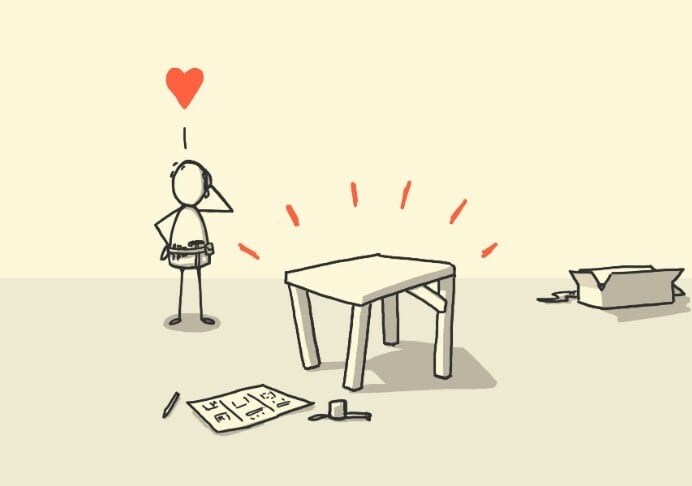
IKEA is known for well-designed, inexpensive furniture. And one way they keep costs lower is their strategy of providing products that require do-it-yourself assembly. But this approach isn’t just about saving money. If you’ve ever put together a piece of furniture, you know the sense of satisfaction you get from the accomplishment. When you’re done you have something you’re proud of—not just a piece of inexpensive home décor.
The concept works when you’re leading change, too. Changes that are thrust on people generally take longer to implement than changes where people get to contribute. Letting people get hands-on with planning a new process, or asking people for their opinion about how to achieve a particular objective, builds confidence and buy-in.
Where could this work for you? Is there a behavior you want to see (or not see) from your team? What would happen if you asked them to create their own set of standards? Is there a new objective or goal you’ve defined for your organization—and what aspects of that goal could team members create a plan for?
Leading is about setting direction. AND you can create opportunities for your team members to contribute. When they feel like they’re part of what you’re creating, they are more invested, more proud, and more likely to follow through.