
 BecomeMore Group Staff
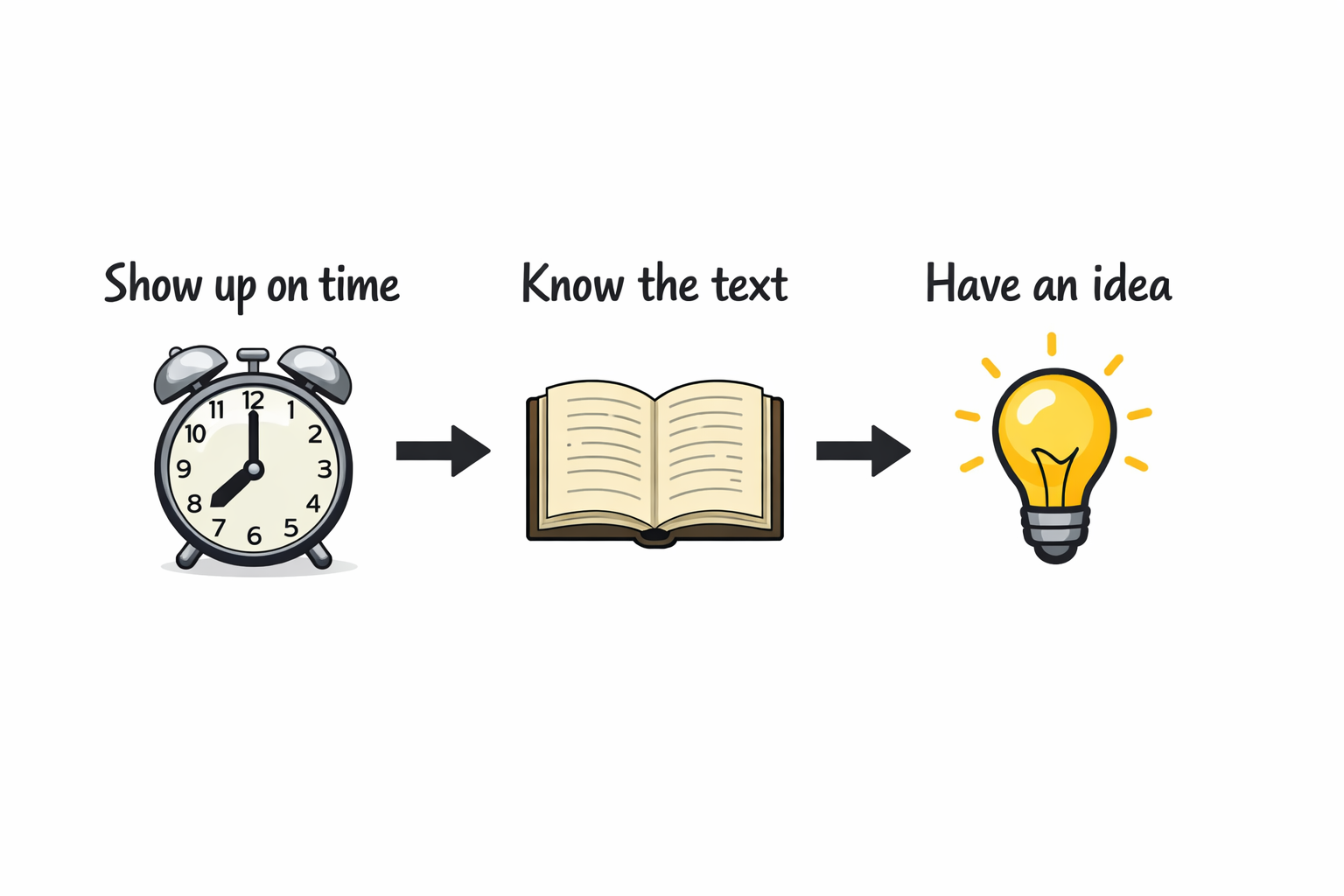
The fastest way to improve career stability often has nothing to do with learning another software tool or stacking more credentials. We keep seeing the same employability skills separate people who stay employed from people who keep cycling through jobs: show up, show up on time, do what your boss asks, and be easy to work with. Those “soft skills” sound basic, but they are measurable workplace behaviors that drive job retention, team trust, and day-to-day productivity. A simple line we love comes from Tom Hanks’ early work advice: show up on time, know the text, and have an idea. That combination is a blueprint for professional reliability plus initiative, and it applies across industries, from manufacturing and healthcare to project management and customer service.
A story from our work makes this real. Iowa invested in technical training to fill a middle-skill workforce gap, helping underemployed and undereducated adults earn certificates for solid middle-class jobs. The surprising problem was an extremely high failure rate after training. People could learn the technical skills, but many could not keep the job. When employers explained what was happening, it was rarely about competence on the machine or in the system. It was attendance, lateness, refusal to follow procedure, and constant conflict with coworkers. The fix was not another technical module. It was a short, structured class focused on self-awareness, barriers to performance, and practicing the basics daily, with accountability. The outcome was a major improvement in completion and retention, because the program targeted the real failure point: behavior at work.
That brings us to what leaders can actually influence. Performance management breaks down when organizations assume poor outcomes always mean low capability. Often the missing pieces are clearer expectations, better tools, enough time, and training, plus feedback and accountability. But the toughest gap we see is the “behavioral piece,” especially when someone ignores direction or creates friction that poisons a department. It’s easy to fire for repeated no-shows. It’s harder to address the employee who technically delivers but refuses to align, undermines priorities, or treats people badly. When teams talk about “toxic employees,” the instinct is to fix the individual. We argue the higher-leverage move is to lead in a way that stops tolerating jerk behavior at all, because culture is what permits patterns to survive.
There’s also a reality check: sometimes you can’t remove a key person immediately without crippling coverage, production, or a night shift. If that’s true, the answer is not resignation. It’s a plan with a timeline. Decide what must change, define what “good” looks like, coach directly, document clearly, and create a sustainable path to transition if the behavior doesn’t improve. Avoid reactive decisions made in anger, but don’t normalize the situation by doing nothing. Finally, add Tom Hanks’ last point: have an idea. The basics get you in the door; thinking, curiosity, and initiative help you add value, earn trust, and grow beyond entry level. Showing up as a thinking human is how you become the person everyone wants on their team.